石嘴山英语科目四考试题库
1. In such road sections, you can enter the cross-hatched marking area to wait.
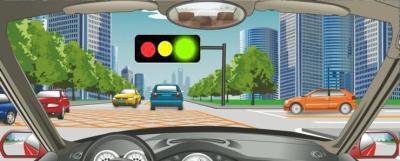
A. Right
B. Wrong
Answer: B
2. What is the meaning of this sign?
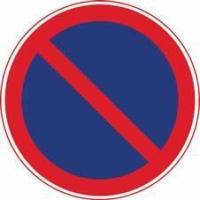
A. No stopping temporarily
B. No long stopping
C. No stopping
D. Long stopping is allowed
Answer: B
3. The motorized vehicle driver may go through an intersection rapidly when there is no traffic signal
A. Right
B. Wrong
Answer: B
4. When a motor vehicle encounters pedestrian is passing at a crosswalk, the driver must slow down and pass slowly.
A. Right
B. Wrong
Answer: B
5. You can make an U turn at this intersection.
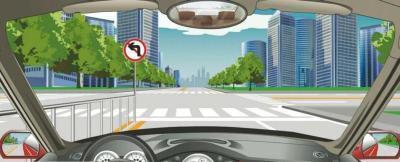
A. Right
B. Wrong
Answer: B
6. After a traffic accident, what is the most effective measure to prevent secondary accidents?
A. Evacuate all passengers
B. Turn on the hazard lamps
C. Mark the original place of the injured persons
D. Properly place the danger warning sign
Answer: ABD
7. When driving on a muddy roads, it is easy for wheels to sideslip or skid, which leads to traffic accidents.
A. Right
B. Wrong
Answer: A
8. Before driving, it is necessary to check whether the cooling liquid, engine oil and fuel oil, are leaking.
A. Right
B. Wrong
Answer: A
9. When a tire blowout on the road, the driver should swiftly depress the brake pedal to reduce speed, do all his can to control the steering wheel and stop the vehicle as soon as possible.
A. Right
B. Wrong
Answer: B
10. When a motor vehicle reaches a muddy or burst-and-muddy section of the road, the driver should stop, observe and select a level and solid section or a section with vehicle tracks.
A. Right
B. Wrong
Answer: A
11. Which of the following method is correct to rescue an unconscious person?
A. Apply cardio-pulmonaryresuscitation immediately
B. Press the philtrum of the wounded person with force
C. Continuously slap the face of the wounded person
D. Check the breath of the wounded person before other emergency treatments
Answer: D
12. What is the meaning of this sign?

A. Passing by the right side
B. Passing by the left side
C. Running to right side
D. Running the roundabout
Answer: D
13. When a wounded person is unable to get off the vehicle by himself, he should be removed from the vehicle so as to avoid a secondary injury.
A. Right
B. Wrong
Answer: A
14. When rescuing the injured, it is necessary to ________.
A. Save life first and treat the wounds later
B. Treat the wounds first and safe life later
C. Help the slightly wounded persons first
D. Help the seriously wounded persons later
Answer: A
15. When encountering children on the road, the driver should _________.
A. Reduce speed and go slowly, or stop to yield when necessary
B. Continuously honk to urge
C. Swiftly bypass from one side
D. Speed up and bypass
Answer: A
16. When rescuing a wounded person in coma, it is necessary to take warm-keeping measures to prevent heat loss.
A. Right
B. Wrong
Answer: A
17. Turning on the high-beam is an effective way to improve visibility in fog weather.
A. Right
B. Wrong
Answer: B
18. Which is the wrong measure to avoid tire burst?
A. Reduce tire pressure
B. Check tires regularly
C. Remove foreign matters from the tire tread grooves timely
D. Replace tires that have cracks or deep cuts
Answer: A
19. What is the meaning of this sign?
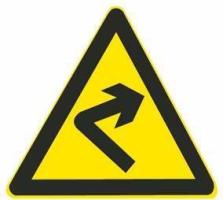
A. Sharp right curve
B. Bypass from right side
C. Continuous curves
D. Sharp left curve
Answer: A
20. When finding a tire burst on the road, the driver should gently depress the brake pedal, reduce speed and stop the vehicle slowly.
A. Right
B. Wrong
Answer: A
上一篇: 大连驾考英文版
下一篇: 大兴安岭科目四英语电子版